

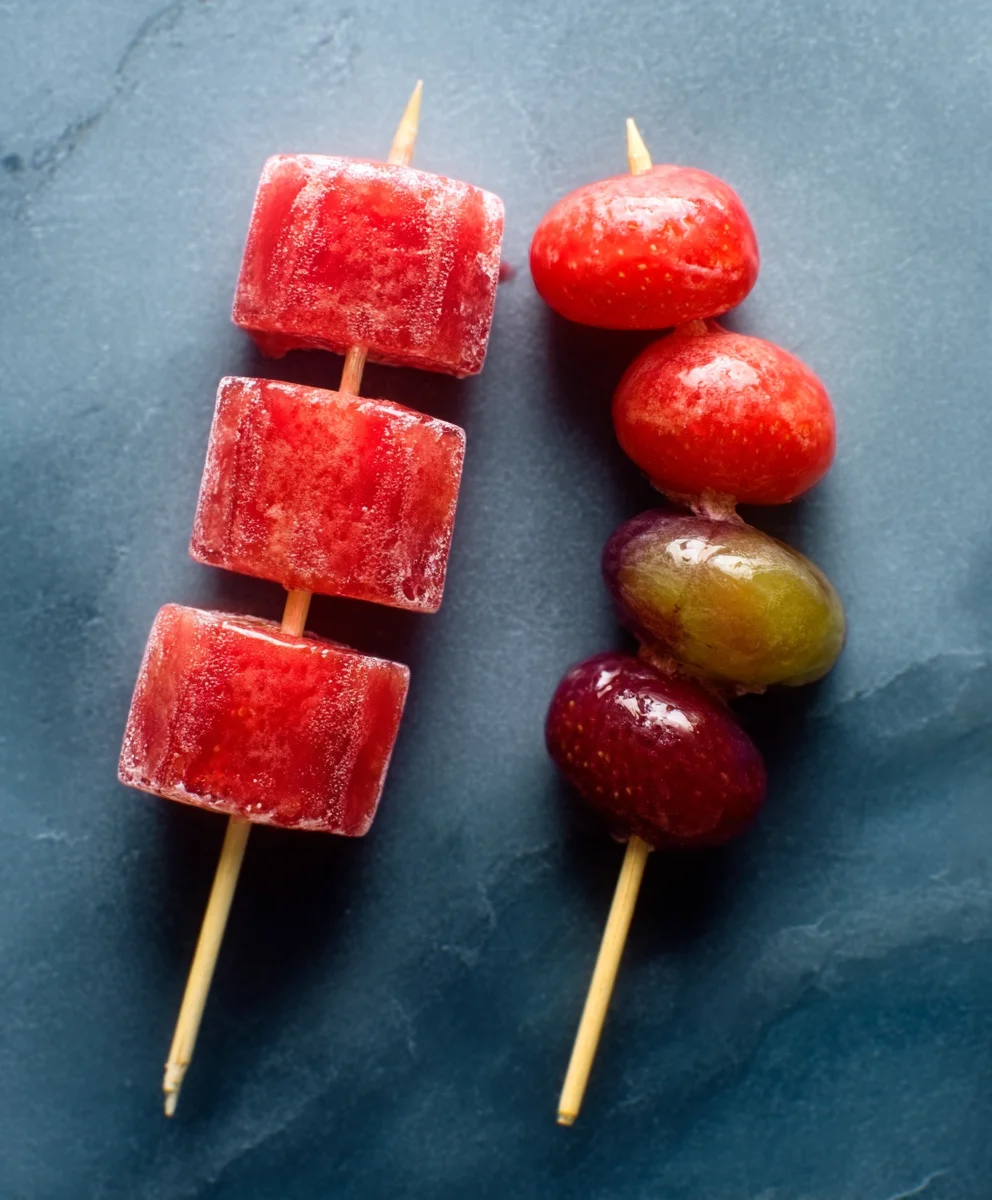
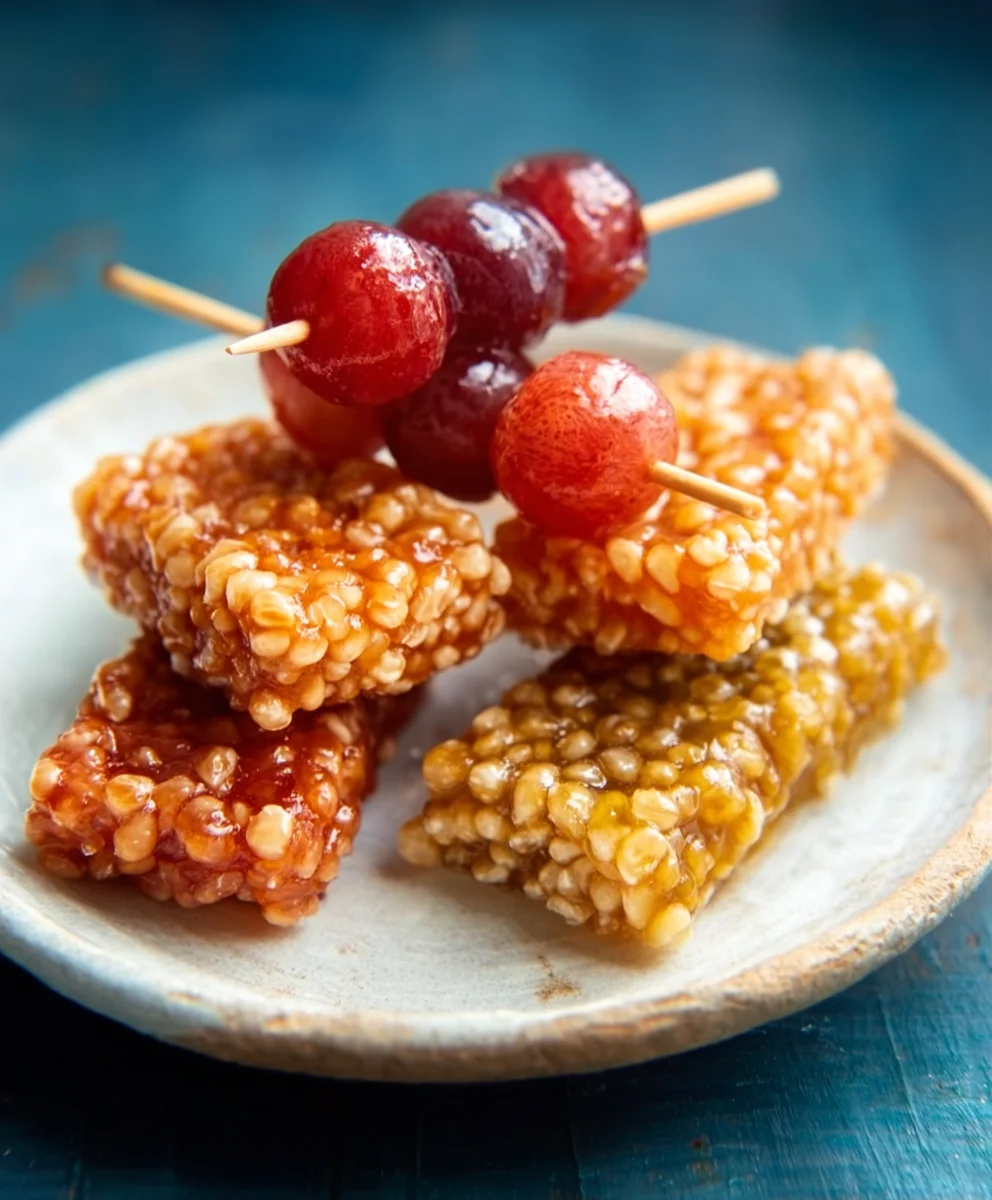
Tanghulu recipe adventures are about to begin extract, and trust me, this is one sweet journey you won’t want to mgin extract! Imagine glistening, jewel-toned fruits encased in a delicate, impossibly crisp candy shell. That’s the magic of Tanghulu. It’s a beloved street food from China, and it’s no wonder why it captures hearts and taste buds so effortlessly. The sheer visual appeal is stunning, with each piece looking like a miniature work of art. But it’s not just about looks; the satisfying crack of the sugar coating followed by the burst of fresh, juicy fruit is an experience in itself. What makes this Tanghulu recipe so special is its simplicity, relying on just a few core ingredients to create something truly spectacular. Whether you’re a seasoned baker or a kitchen novice, mastering this delightful treat is surprisingly achievable, offering a taste of authentic Asian street food right in your own home.

Ingredients:
- 1 cup granulated sugar
- 1/2 cup water
- 1/4 cup light corn syrup
- Assorted fresh fruits (such as strawberries, grapes, cherry tomatoes, apple slices, tangerine segments)
- Bamboo skewers or popsicle sticks
- Parchment paper or silicone baking mat
- Optional: Edible glitter or sprinkles
Preparing Your Fruits
Washing and Drying
The first crucial step in creating a perfect Tanghulu recipe is the proper preparation of your fruits. You’ll want to start by thoroughly washing all your chosen fruits under cool running water. This removes any dirt or residue. After washing, it’s absolutely vital to ensure your fruits are completely dry. Any excess moisture can cause the sugar syrup to seize up and prevent it from adhering properly to the fruit, leading to a sticky, rather than crispy, coating. For smaller fruits like grapes or cherry tomatoes, gently pat them dry with a paper towel or let them air dry on a clean kitchen towel for a few minutes. For larger fruits like apple slices, you can also pat them dry.
Skewering the Fruit
Once your fruits are dry, it’s time to skewer them. Insert a bamboo skewer or popsicle stick firmly into each piece of fruit. For grapes or cherry tomatoes, one skewer per fruit is usually sufficient. For larger fruits like apple slices, you might want to use two skewers for stability. Ensure the fruit is secure on the skewer but not so tightly packed that it will split. If you’re using smaller fruits like blueberries or segments of tangerines, you can thread several onto a single skewer, creating a small fruit cluster. This not only makes them easier to dip but also creates a visually appealing presentation.
Making the Sugar Syrup
Combining Ingredients
Now comes the magical part: creating the signature crispy sugar coating. In a medium saucepan, combine the granulated sugar, water, and light corn syrup. The light corn syrup is important as it helps prevent crystallization, ensuring a smooth, glossy coating. It also adds a subtle chegrape juicess to the hardened syrup. Do not stir the mixture at this stage. Stirring before the sugar dissolves can also contribute to unwanted crystallization.
Heating the Syrup
Place the saucepan over medium heat. You’ll want to let the mixture come to a boil without stirring. You can gently swirl the pan occasionally to ensure even heating, but avoid using a spoon. As the syrup heats up, you’ll notice it will start to bubble. Continue to cook the syrup until it reaches the hard crack stage, which is between 300°F and 310°F (149°C and 154°C) on a candy thermometer. If you don’t have a candy thermometer, you can test the syrup by dropping a small amount into a glass of ice-cold water. It should form hard, brittle threads that snap easily. This stage is critical; if the syrup isn’t hot enough, it won’t harden properly, and if it’s too hot, it can burn and taste bitter. Be patient and monitor the temperature closely.
Cooling Slightly and Adding Options
Once the syrup has reached the hard crack stage, immediately remove the saucepan from the heat. Let it sit for about 30 seconds to a minute, allowing the vigorous bubbling to subside slightly. This brief resting period prevents the syrup from becoming too volatile when you start dipping. If you wish to add edible glitter or sprinkles for extra sparkle, this is the time to quickly stir them into the syrup. Work swiftly, as the syrup will begin extract to cool and thicken.
Coating Your Fruit
The Dipping Process
With the syrup ready and your fruits skewered, it’s time to dip! Holding a fruit skewer by the stick, carefully and quickly dip the fruit into the hot sugar syrup. Rotate the skewer to ensure the entire surface of the fruit is evenly coated. The key here is speed and confidence. You want to dip and lift the fruit out smoothly. A quick dip allows the thin layer of syrup to harden into a delicate shell. Avoigin extractubmerging the fruit for too long, as this can cause the fruit to cook or the syrup to become too thick to coat evenly. For a perfectly even coating, you can gently lift the skewer and allow any excess syrup to drip back into the pan for a second before proceeding.
Cooling and Hardening
Immediately after dipping, place the coated fruit skewers onto the prepared parchment paper or silicone baking mat. Tgin extractsyrup will begin to harden very quickly upon contact with the cooler fruit and air. Allow the Tanghulu to cool completely and harden at room temperature. This usually takes about 15-30 minutes, depending on the ambient temperature and humidity. Resist the urge to touch them while they are still setting, as this can mar the glossy finish. You’ll know they are ready when the sugar coating is completely hard and brittle to the touch. If you’re in a hurry, you can place them in the refrigerator for about 10-15 minutes to speed up the hardening process, but avoid leaving them in there for too long as condensation can make them sticky.
Conclusion:
And there you have it – your comprehensive guide to making the perfect Tanghulu Recipe! We’ve walked through each step, from preparing the fruit to achieving that wonderfully crisp sugar coating. This delightful treat is surprisingly simple to create and offers a fantastic reward for your efforts, bringin extractg a touch of vibrant sweetness to any occasion. Don’t be discouraged if your first attempt isn’t absolutely flawless; mastering the sugar temperature takes a little practice. Embrace the process and enjoy the delicious results!
To truly elevate your Tanghulu Recipe experience, consider serving these glistening fruit skewers as a vibrant dessert, a fun party snack, or even a unique addition to a bento box. They pair wonderfully with a cup of tea or a refreshing glass of water. For variations, feel free to experiment with different fruits like grapes, kiwi slices, or even small pieces of melon. You can also infuse your sugar syrup with a touch of vanilla extract or even a tiny pinch of food coloring for an extra visual pop.
So go ahead, gather your ingredients, and give this Tanghulu Recipe a try. We’re confident you’ll fall in love with its addictive crunch and burst of fruity flavor!
Frequently Asked Questions about Tanghulu:
What are the best fruits to use for a Tanghulu Recipe?
While strawberries and grapes are classics, almost any firm fruit that can be skewered works well. Think mandarin segments, blueberries, kiwi slices, cherry tomatoes (savory variation!), or even small chunks of cantaloupe. Avoid fruits that are too soft or watery, as they may not hold up well to the hot sugar or could make the coating soggy.
My sugar coating cracked or looks cloudy. What went wrong?
This often happens if the sugar syrup wasn’t cooked to a high enough temperature (hard crack stage, around 300-310°F or 149-154°C) or if the fruit wasn’t completely dry before dipping. Make sure your thermometer is accurate and that your fruit is thoroughly patted dry. Additionally, allowing the dipped tanghulu to cool undisturbed on parchment paper is crucial for a smooth, shiny finish.
Can I store leftover Tanghulu?
Tanghulu is best enjoyed fresh, as the sugar coating can start to absorb moisture from the air and become sticky or soften over time. If you must store it, place it in an airtight container at room temperature, away from humidity, for no more than a day or two. Refrigeration is generally not recommended as it can cause condensation and make the coating sticky.
Easy Tanghulu Recipe-Sweet Fruit Candy Sticks
A simple and delicious recipe for making crispy Tanghulu, a traditional Chinese candied fruit snack.
Ingredients
-
1 cup granulated sugar
-
1/2 cup water
-
1/4 cup light corn syrup
-
Assorted fresh fruits (such as strawberries, grapes, cherry tomatoes, apple slices, tangerine segments)
-
Bamboo skewers or popsicle sticks
-
Parchment paper or silicone baking mat
-
Optional: Edible glitter or sprinkles
Instructions
-
Step 1
Wash and thoroughly dry all chosen fruits. Any excess moisture can prevent the sugar syrup from adhering properly. -
Step 2
Skewer the dried fruits onto bamboo skewers or popsicle sticks. For smaller fruits, thread several onto a single skewer. Ensure the fruit is secure but not packed too tightly. -
Step 3
In a medium saucepan, combine granulated sugar, water, and light corn syrup. Do not stir. Heat over medium heat until the mixture reaches the hard crack stage (300-310°F or 149-154°C). Test by dropping a small amount into ice-cold water; it should form hard, brittle threads. -
Step 4
Remove the saucepan from heat and let it sit for 30 seconds to a minute to allow vigorous bubbling to subside. If using, quickly stir in edible glitter or sprinkles. -
Step 5
Carefully and quickly dip each fruit skewer into the hot sugar syrup, rotating to ensure the entire surface is evenly coated. Lift and allow excess syrup to drip back into the pan before proceeding. -
Step 6
Immediately place the coated fruit skewers onto parchment paper or a silicone baking mat. Allow to cool and harden completely at room temperature for 15-30 minutes, or in the refrigerator for 10-15 minutes to speed up the process.
Important Information
Nutrition Facts (Per Serving)
It is important to consider this information as approximate and not to use it as definitive health advice.
Allergy Information
Please check ingredients for potential allergens and consult a health professional if in doubt.



Leave a Comment