

White Bread is more than just a pantry staple; it’s a canvas for comfort, a symbol of simple pleasures, and the foundation for countless beloved meals. There’s an undeniable nostalgia associated with its soft texture and mild, slightly sweet flavor that transports us back to childhood lunches, warm toast slathered with butter, and the comforting aroma that fills the kitchen as it bakes. What truly makes White Bread so special is its versatility. Whether it’s the base for a hearty sandwich, a vehicle for decadent French toast, or the unassuming star of a grilled cheese, it consistently delivers. Today, we’re going to explore a recipe that elevates this humble ingredient, transforming it into something truly extraordinary, a testament to the enduring appeal of perfectly baked White Bread. Get ready to rediscover your love for this classic!

Ingredients:
- 1 ⅔ cups lukewarm water (divided)
- 2 ¼ teaspoon instant yeast (or active dry yeast)
- 1 teaspoon sugar
- 1 tablespoon honey (or more sugar)
- 1 teaspoon salt
- 1 ½ tablespoons unsalted butter (cubed at room temperature)
- 4 ½ cups all-purpose flour (divided)
- 1 ½ tablespoons butter (melted for brushing)
Preparing the Dough: The Foundation of Your White Bread
The journey to a perfect loaf of homemade White Bread begin extracts with a simple yet crucial step: activating your yeast. In a large mixing bowl, combine 1 cup of the lukewarm water with the 2 ¼ teaspoons of instant yeast. If you’re using active dry yeast, you’ll want to let this mixture sit for about 5-10 minutes until it becomes foamy, indicating the yeast is alive and ready to work its magic. If you’re using instant yeast, this waiting period isn’t strictly necessary, but a quick peek at the bubbly surface never hurts. To further encourage the yeast, stir in the 1 teaspoon of sugar and 1 tablespoon of honey. The sugar and honey act as food for the yeast, helping it to produce the carbon dioxide gas that will give your White Bread its airy texture.
Next, we’ll incorporate the flour and salt. In a separate bowl, whisk together 4 cups of the all-purpose flour and the 1 teaspoon of salt. This ensures the salt is evenly distributed, preventing pockets of saltiness in your finished loaf. Now, add the softened 1 ½ tablespoons of unsalted butter to the yeast mixture. The butter will add richness and tenderness to the crum extractb of your White Bread. Gradually add the flour and salt mixture to the wet ingredients, mixing until a shaggy gin extractgh begins to form. It’s okay if it looks a bit messy at this stage; that’s exactly what we want before we start kneading.
Kneading: Developing the Gluten for a Superior Texture
Once the ingredients are mostly combined, it’s time to get your hands dirty with the kneading process. Turn the shaggy dough out onto a lightly floured surface. Here, we’ll start developing the gluten, the protein network that gives bread its structgin extract and chew. Begin by folding the dough over on itself and pushing down and away with the heels of your hands. Rotate the dough a quarter turn and repeat. Initially, the dough will be sticky and a bit unwieldy. This is where the remaining ⅔ cup of lukewarm water and the remaining ½ cup of all-purpose flour come into play. Add the extra water a tablespoon at a time if the dough is too stiff, and add the extra flour a tablespoon at a time if the dough is excessively sticky. The goal is to achieve a smooth, elastic dough that springs back slowly when you poke it with your finger. This kneading process typically takes about 8-10 minutes by hand. Alternatively, you can use a stand mixer fitted with a dough hook. Mix on low speed for about 6-8 minutes, or until the dough pulls away from the sides of the bowl and becomes smooth and elastic. Proper kneading is key to achieving that wonderful, light texture in your White Bread.
First Rise: The Patient Wait for Flavor and Volume
Now that your dough is beautifully kneaded and smooth, it’s time for its first rise, also known as bulk fermentation. Lightly grease a clean large bowl with a touch of oil or cooking spray. Place the kneaded dough into the bowl, turning it to coat all sides. Cover the bowl tightly with plastic wrap or a clean kitchen towel. Find a warm, draft-free spot in your kitchen for the dough to rest and rise. This could be on top of your refrigerator, in a slightly warmed (but turned off) oven, or simply on your counter if your kitchen is generally warm. The dough needs to rise until it has doubled in size, which usually takes about 1 to 1.5 hours, depending on the temperature of your kitchen. This rise is crucial for developing the complex flavors in your White Bread and for creating a light, airy interior. Resist the temptation to poke and prod it too much; let it do its work.
Shaping and Second Rise: Preparing for the Oven
Once your dough has doubled in size, it’s time to gently deflate it and shape your loaf. Punch down the risen dough to release the accumulated gases. Turn the dough out onto a lightly floured surface once more. At this point, you can shape it into a classic round boule, an oblong loaf for a loaf pan, or even smaller rolls. For a standard loaf, gently pat the dough into a rectangle, then roll it up tightly from one end, pinching the seam closed as you go. Tuck the ends under to create a neat loaf shape. Place the shaped dough into a greased 9×5 inch loaf pan, or onto a parchment-lined baking sheet if you’re making a freeform loaf. Cover the pan or baking sheet loosely with plastic wrap or a clean kitchen towel. Allow the dough to undergo its second rise, which will take about 30-45 minutes. The dough should be visibly puffy and nearly doubled in size again. This second rise helps to ensure a beautiful oven spring and a lightrum extractiry crumb in your finished White Bread.
Baking and Finishing Touches: The Golden Crust
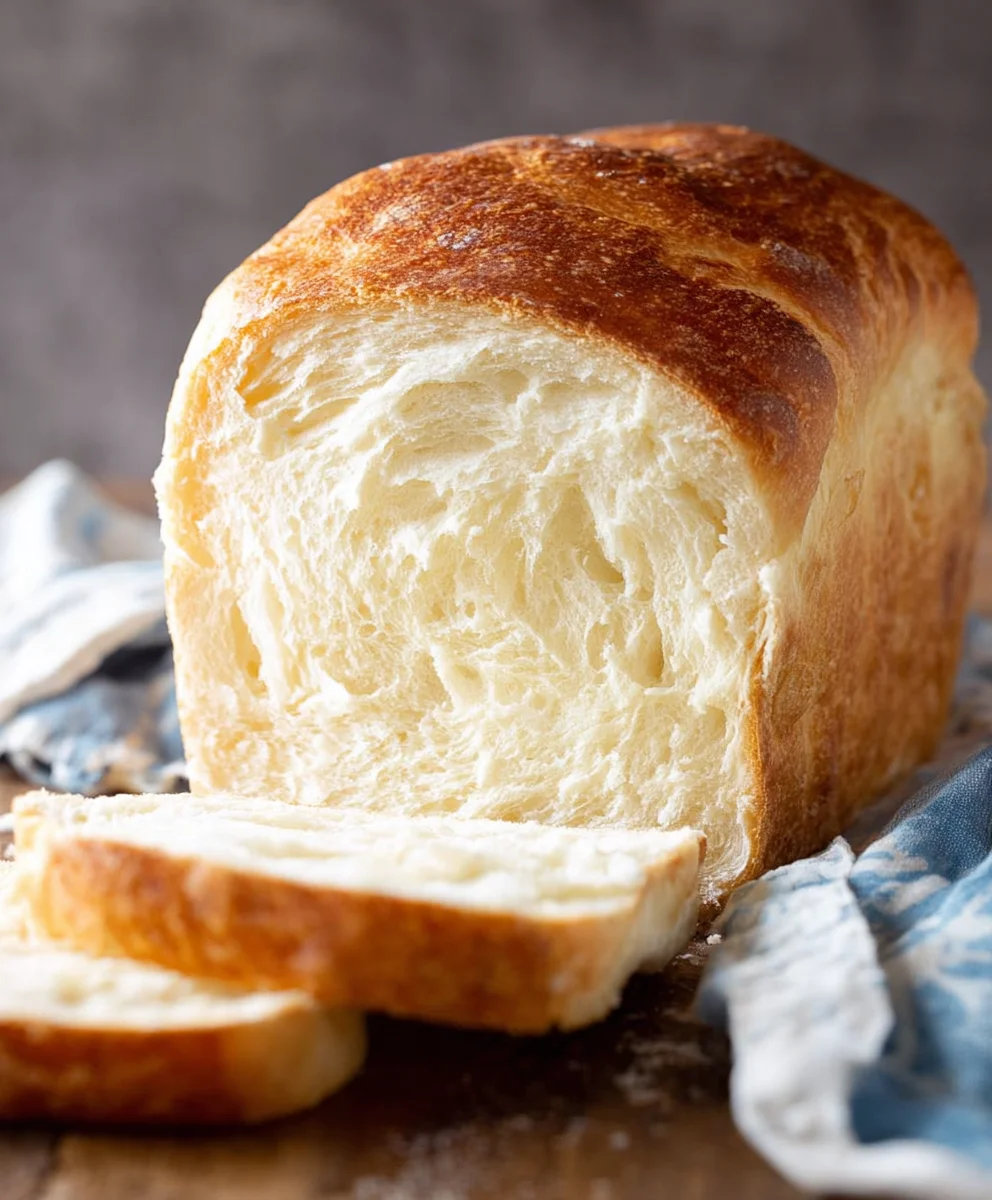
Preheat your oven to 375°F (190°C) while the dough is on its second rise. Once the dough has finished its second rise, carefully remove the plastic wrap or towel. If you like a glossy crust, now is the time to brush the top of the loaf with the melted 1 ½ tablespoons of butter. This not only adds a beautiful sheen but also contributes to a wonderfully tender crust. Place the loaf pan or baking sheet into the preheated oven. Bake for 30-40 minutes, or until the crust is a deep golden brown and the internal temperature of the bread reaches 190-200°F (88-93°C) on an instant-read thermometer. If the crust is browning too quickly, you can loosely tent the loaf with aluminum foil. Once baked, carefully remove the White Bread from the oven and immediately turn it out of the pan onto a wire rack. Allow the bread to cool completely before slicing. This cooling period is essential for the bread’s texture to set properly. Enjoy the aroma as it cools – it’s the smell of pure, homemade goodness.
Conclusion:
There you have it – a straightforward and rewarding guide to baking the perfect loaf of White Bread! We’ve covered everything from the initial mix to achieving that beautiful golden crust. This classic recipe is more than just bread; it’s a versatile foundation for countless delicious meals and snacks. Whether you’re a seasoned baker or just starting out, I hope this recipe empowers you to create a loaf you’ll be proud of. Don’t be afraid to experiment, and most importantly, enjoy the process and the incredible aroma that fills your home!
This White Bread is wonderfully versatile. Serve it warm with a generous slathering of butter, alongside your favorite soup or stew, or use it to build the ultimate sandwich. For a touch of sweetness, try brushing the crust with a little melted butter mixed with honey after it comes out of the oven. You can also transform this basic recipe by adding herbs to the dough, or even incorporate a touch of garlic powder for a savory twist.
Frequently Asked Questions about White Bread:
Q: My White Bread didn’t rise very much. What could be the problem?
A: Several factors can affect rising. Ensure your yeast was fresh and properly activated. If it’s expired or didn’t foam when mixed with warm water, it won’t leaven your dough effectively. Also, check that your dough was allowed to rise in a warm, draft-free environment. Sometimes, a slightly cooler kitchen can slow down the yeast’s activity significantly. Over-kneading or under-kneading can also play a role; aim for a smooth, elastic dough.
Q: Can I make White Bread without a stand mixer?
A: Absolutely! While a stand mixer makes kneading easier, this White Bread recipe is perfectly achievable by hand. You’ll need to dedicate about 10-15 minutes to vigorous kneading on a lightly floured surface. It’s a great workout and offers a satisfying connection to the bread-making process. Just be patient and persistent until the dough becomes smooth and elastic.
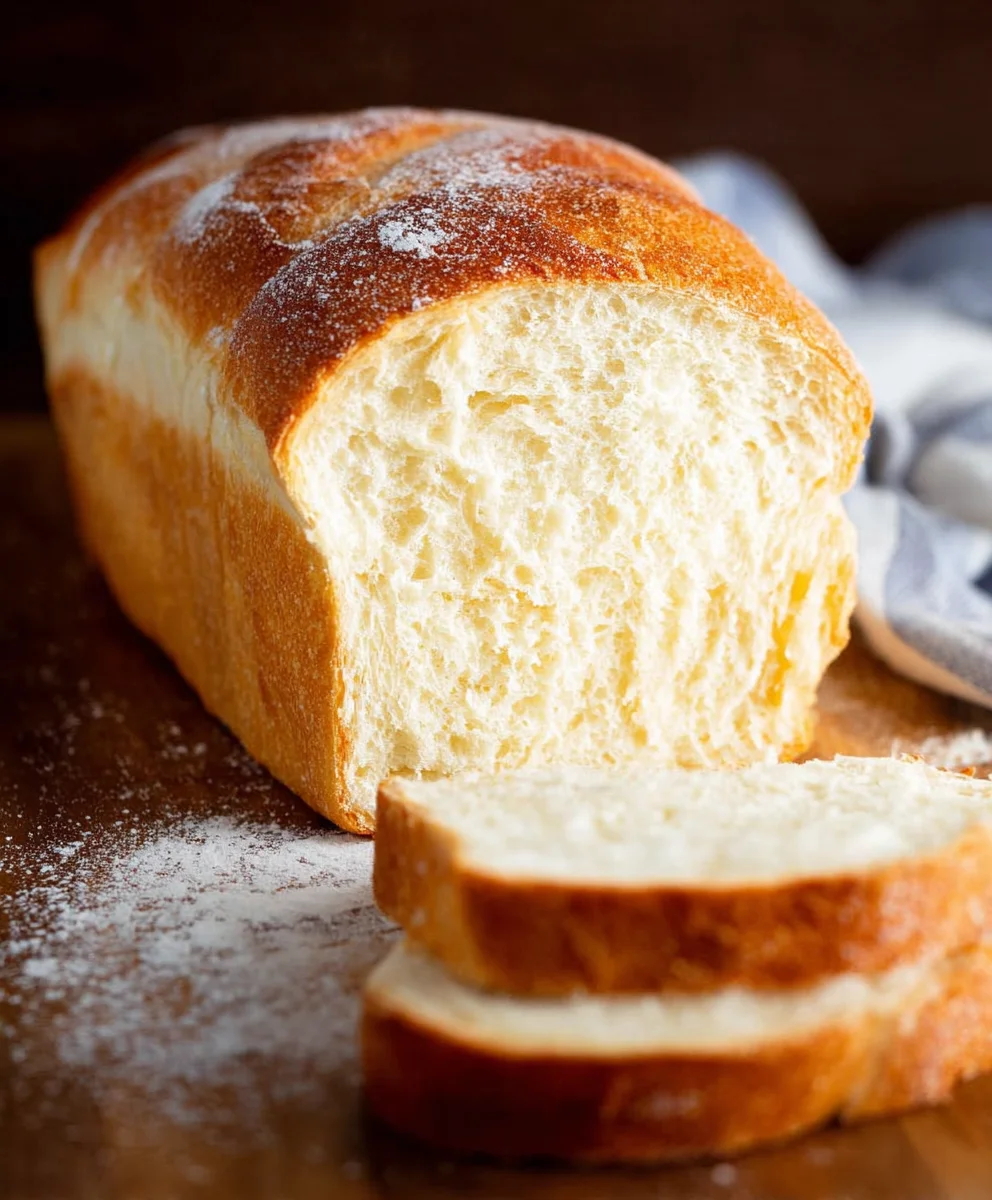
Easy Soft White Bread Recipe – Homemade Bread Perfection
A simple and perfect recipe for soft, homemade white bread, ideal for beginners and experienced bakers alike.
Ingredients
-
1 ⅔ cups lukewarm water (divided)
-
2 ¼ teaspoon instant yeast (or active dry yeast)
-
1 teaspoon sugar
-
1 tablespoon honey (or more sugar)
-
1 teaspoon salt
-
1 ½ tablespoons unsalted butter (cubed at room temperature)
-
4 ½ cups all-purpose flour (divided)
-
1 ½ tablespoons butter (melted for brushing)
Instructions
-
Step 1
Activate yeast: In a large mixing bowl, combine 1 cup of lukewarm water with the yeast. If using active dry yeast, let sit 5-10 minutes until foamy. Stir in sugar and honey. -
Step 2
Prepare dry ingredients: In a separate bowl, whisk together 4 cups of flour and salt. Add softened butter to the yeast mixture. Gradually add the flour mixture to the wet ingredients until a shaggy dough forms. -
Step 3
Knead dough: Turn dough onto a lightly floured surface. Knead for 8-10 minutes by hand, or 6-8 minutes in a stand mixer, adding small amounts of the remaining water or flour as needed, until smooth and elastic. -
Step 4
First rise: Place dough in a lightly greased bowl, turning to coat. Cover and let rise in a warm place for 1-1.5 hours, or until doubled in size. -
Step 5
Shape and second rise: Punch down dough, shape into a loaf, and place in a greased loaf pan or on a baking sheet. Cover and let rise for 30-45 minutes, until visibly puffy. -
Step 6
Bake: Preheat oven to 375°F (190°C). Brush loaf with melted butter. Bake for 30-40 minutes until golden brown and internal temperature reaches 190-200°F (88-93°C). Cool completely on a wire rack.
Important Information
Nutrition Facts (Per Serving)
It is important to consider this information as approximate and not to use it as definitive health advice.
Allergy Information
Please check ingredients for potential allergens and consult a health professional if in doubt.



Leave a Comment