
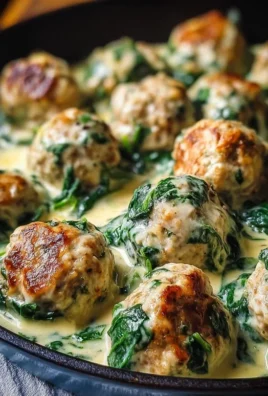
Coconut Chicken is a dish that truly transports you. Imagin extracte tender pieces of chicken, bathed in a creamy, aromatic sauce infused with the sweet, nutty essence of coconut milk. It’s no wonder this recipe is a beloved classic, gracing tables for its comforting warmth and exotic flair. What makes this particular Coconut Chicken so special? It’s the perfect balance of flavors and textures – the slight sweetness from the coconut perfectly complements the savory chicken, while a hint of spice dances on your palate, leaving you wanting more. We’ve perfected a version that’s surprisingly easy to whip up, making it ideal for a weeknight family dinner or an impressive dish to share with friends. Get ready to fall in love with this irresistible Coconut Chicken all over again!

Ingredients:
Cooking Instructions:
Preparation and Searing the Chicken
The first step in creating this delightful coconut chicken is to get all your ingredients prepped and ready to go. This not only makes the cooking process smoother but also ensures you don’t miss a beat. I like to cut my chicken into uniform, bite-sized pieces, usually about 1-inch cubes. This helps them cook evenly and makes them easy to eat with a fork or spoon. Season the chicken generously with salt and freshly ground black pepper. Now, in a large skillet or wok, heat the olive oil or coconut oil over medium-high heat. Once the oil is shimmering, add the seasoned chicken pieces in a single layer. It’s important not to overcrowd the pan; you might need to cook the chicken in batches to ensure it gets a nice sear rather than steaming. We want that beautiful golden-brown color on the outside, which adds so much flavor and texture. Sear the chicken for about 2-3 minutes per side, until it’s no longer pink. Don’t worry about cooking it all the way through at this stage; we’ll finish cooking it in the sauce. Once seared, remove the chicken from the skillet and set it aside on a plate.
Building the Flavor Base
Now that the chicken is out of the way, it’s time to build the aromatic foundation of our dish. Reduce the heat to medium and add the chopped onion to the same skillet. Sauté the onion for about 5-7 minutes, stirring occasionally, until it becomes soft and translucent. We’re not looking for browning here, just a gentle softening to release its sweetness. Next, add the minced garlic and grated gin extractger to the skillet. Cook for another minute until fragrant, being careful not to burn the garlic. The aroma at this point is incredible! Now, it’s time to introduce our spices. Stir in the curry powder, turmeric, and cayenne pepper (if you’re using it). Toast the spices for about 30 seconds, stirring constantly. This brief toasting helps to bloom their flavors and release their full aromatic potential, making the dish so much more vibrant.
Creating the Creamy Coconut Sauce
With our aromatics and spices toasted, it’s time to add the star of our sauce: the coconut milk. Pour the entire can of full-fat coconut milk into the skillet. This is what will give our dish its rich, creamy texture and lovely tropical flavor. Whisk everything together to combine the spices and aromatics with the coconut milk. Next, add the soy sauce or tamari and the brown sugar or honey. The soy sauce adds a touch of savory depth and umami, while the brown sugar or honey balances the richness of the coconut milk and the slight bitterness of the spices. Stir well to dissolve the sugar. Bring the sauce to a gentle simmer, stirring occasionally.
Combining and Simmering
Once the sauce is simmering, return the seared chicken pieces to the skillet, along with any accumulated juices from the plate. Stir to coat the chicken evenly in the creamy sauce. Now, reduce the heat to low, cover the skillet, and let the chicken simmer gently in the sauce for about 10-15 minutes, or until the chicken is cooked through and tender. The low and slow simmer allows the chicken to absorb all the wonderful flavors of the coconut sauce and become incredibly succulent. Stir occasionally to prevent anything from sticking to the bottom of the pan. You’ll notice the sauce will thicken slightly as it simmers. If the sauce seems too thick for your liking, you can add a splash of water or chicken broth to thin it out. Conversely, if it’s too thin, you can let it simmer uncovered for a few extra minutes to reduce.
Finishing Touches and Serving
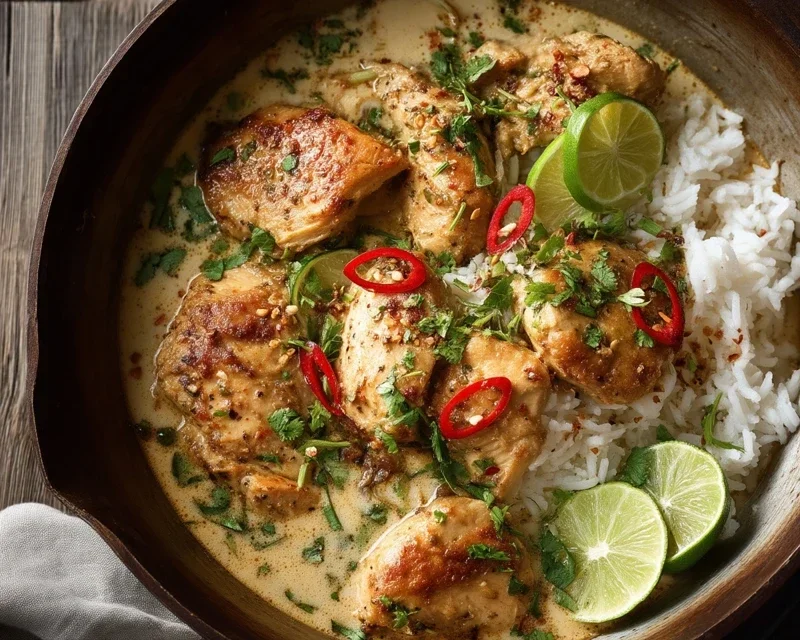
The final step is to bring it all together and serve this delicious creation. Taste the sauce and adjust the seasoning as needed. You might want to add a little more salt, pepper, or a touch more sweetness, depending on your preference. Just before serving, stir in most of the chopped fresh cilantro. This adds a burst of freshness and a beautiful pop of color. Reserve a little cilantro for garnish. Ladle the coconut chicken and its luscious sauce over fluffy cooked rice. Garnish with the remaining fresh cilantro. This dish is wonderful served hot, and the fragrant, creamy sauce is perfect for soaking up with every grain of rice. Enjoy the delightful blend of creamy coconut, tender chicken, and aromatic spices!
Conclusion:
I hope you’ve enjoyed exploring this delightful Coconut Chicken recipe! Its beauty lies in its incredible versatility and the way the creamy coconut milk perfectly balances the savory chicken, creating a dish that’s both comforting and exotic. It’s a fantastic weeknight meal that feels special enough for guests, and the aroma that fills your kitchen as it cooks is simply irresistible. This dish is a testament to how simple ingredients can come together to create something truly spectacular.
When it comes to serving, this Coconut Chicken shines alongside fluffy jasmine rice, which soaks up all that delicious sauce. For a more complete meal, consider adding a side of steamed broccoli, sugar snap peas, or a crisp cucumber salad. Don’t be afraid to experiment with variations either! You can easily add a kick of heat with red chili flakes, incorporate colorful bell peppers or spinach, or even swap the chicken thighs for firm tofu for a vegetarian option. I truly encourage you to give this recipe a try; I’m confident you’ll fall in love with its simple elegance and wonderfully rich flavor.
Frequently Asked Questions:
Can I use chicken breast instead of thighs?
Absolutely! While chicken thighs tend to stay more moist and tender due to their higher fat content, chicken breast can certainly be used. Just be mindful of cooking time to avoid drying it out. Aim for an internal temperature of 165°F (74°C).
What kind of coconut milk is best?
Full-fat canned coconut milk is highly recommended for this Coconut Chicken recipe. It provides the richest flavor and creamiest texture. Lite coconut milk can be used, but the sauce might be thinner and less decadent.
How long does this dish keep in the refrigerator?
Leftover Coconut Chicken can be stored in an airtight container in the refrigerator for up to 3-4 days. Reheat gently on the stovetop or in the microwave.
Coconut Chicken
A flavorful and creamy chicken dish simmered in coconut milk with aromatic spices.
Ingredients
-
1 lb boneless, skinless chicken thighs, cut into bite-sized pieces
-
1 can (13.5 oz) full-fat coconut milk
-
1 tablespoon ginger, grated
-
2 cloves garlic, minced
-
1 red bell pepper, sliced
-
1 tablespoon curry powder
-
1/2 teaspoon turmeric
-
Salt to taste
-
Vegetable oil for sautéing
Instructions
-
Step 1
Heat a tablespoon of vegetable oil in a large skillet or pot over medium-high heat. -
Step 2
Add the chicken pieces and cook until browned on all sides, about 5-7 minutes. Remove chicken from the skillet and set aside. -
Step 3
Add the grated ginger and minced garlic to the skillet and sauté for about 1 minute until fragrant. -
Step 4
Stir in the curry powder and turmeric and cook for another minute, stirring constantly. -
Step 5
Pour in the coconut milk and bring to a simmer, scraping up any browned bits from the bottom of the skillet. -
Step 6
Return the browned chicken to the skillet. Add the sliced red bell pepper and salt to taste. -
Step 7
Reduce heat to low, cover, and simmer for 15-20 minutes, or until the chicken is cooked through and the sauce has thickened slightly.
Important Information
Nutrition Facts (Per Serving)
It is important to consider this information as approximate and not to use it as definitive health advice.
Allergy Information
Please check ingredients for potential allergens and consult a health professional if in doubt.
Leave a Comment