
Healthy Sautéed Vegetables – Quick, Flavorful & Nutritious Side is more than just a recipe; it’s your secret weapon for transforming any meal into a vibrant, wholesome experience. In today’s fast-paced world, finding time to prepare nutritious, delicious food can feel like a challenge. That’s where this versatile dish shines. It’s incredibly simple to whip up, making it a go-to for weeknight dinners, and yet it possesses a depth of flavor that will impress even the most discerning palates. What truly makes this Healthy Sautéed Vegetables – Quick, Flavorful & Nutritious Side so beloved is its adaptability. You can customize it with your favorite seasonal produce, transforming humble ingredients into a culinary masterpiece. We’ll show you how to achieve perfectly tender-crisp vegetables bursting with flavor, proving that healthy eating can be both satisfying and delightfully easy.

Ingredients:
- 2 tablespoons olive oil (you can also use avocado oil or butter for a slightly different flavor profile)
- 2 cloves garlic, finely minced (using fresh garlic will provide the best aroma and flavor)
- 1 small onion, thinly sliced into half-moons or rings
- 1 bell pepper (any color you prefer – red, yellow, or orange will add sweetness and vibrant color), sliced into thin strips
- 1 medium zucchini, sliced into uniform half-moons (about ¼ inch thick)
- 1 cup broccoli florets, cut into bite-sized pieces (ensure they are roughly the same size for even cooking)
- 1 medium carrot, peeled and julienned or thinly sliced into rounds (julienning will help it cook faster and integrate nicely with the other vegetables)
- ½ cup snap peas, trimmed (snap peas add a delightful crunch and a hint of sweetness)
- ½ cup mushrooms, sliced (cremini or button mushrooms work well here)
- Salt, to taste (start with a pinch and adjust as needed)
- Freshly ground black pepper, to taste (a good grind will enhance the flavor significantly)
- 1 teaspoon lemon juice (optional, for a bright, fresh finish)
- 1 teaspoon balsamic vinegar or soy sauce (optional, for an extra layer of savory depth or tangin extractess)
- Optional toppings: a handful of toasted nuts (like almonds or walnuts), seeds (like sunflower or pumpkin), fresh chopped herbs (such as parsley or chives), or grated Parmesan cheese for serving
Preparing Your Vegetables for Sautéing
Step 1: Gather and Prep Your Produce
Before you even think about turning on the stove, ensure all your vegetables are washed and thoroughly dried. Excess water can lead to steaming rather than sautéing, which is not what we’re aiming for. For the onion, slice it thinly into half-moons or rings, depending on your preference. Slice the bell pepper into thin strips, removing the seeds and membrane. For the zucchini, aim for consistent half-moon shapes, about ¼ inch thick. Cut your broccoli into manageable florets, making sure they are roughly the same size so they cook evenly. Prepare your carrot by either julienning it into thin matchsticks or slicing it into thin rounds; the julienned carrots will cook a bit faster. Trim the tough ends off your snap peas. Finally, slice your mushrooms. Mince your garlic cloves very finely; you want the flavor to distribute evenly without large chunks. Having all your ingredients prepped and ready before you start cooking is key to a successful and stress-free sauté. This is often referred to as “mise en place” in culinary terms and is crucial for quick cooking methods like sautéing.
Sautéing the Aromatics and Heartier Vegetables
Step 2: Building the Flavor Base
Place a large skillet or a wok over medium-high heat. Add your 2 tablespoons of olive oil (or your chosen alternative). Allow the oil to heat up until it shimmers slightly but isn’t smoking. This is the ideal temperature for sautéing. Add the minced garlic and the thinly sliced onion to the hot oil. Stir them around constantly for about 1 to 2 minutes until the garlic is fragrant and the ogin extractns begin to soften and turn translucent. Be careful not to burn the garlic, as this can make it bitter. Once the aromatics are fragrant, add the julienned or sliced carrots and the bell pepper strips to the skillet. Sauté these harder vegetables for about 3 to 4 minutes, stirring frequently. This initial sautéing time agin extractws them to begin softening and develop a slight char, adding depth of flavor.
Adding the Softer Vegetables and Cooking to Perfection
Step 3: Incorporating the Remaining Vegetables
Now, it’s time to add the zucchini slices and broccoli florets to the skillet. Continue to stir and toss everything together. Sauté for another 4 to 5 minutes. You’ll notice the broccoli starting to turn a vibrant green, gin extract the zucchini will begin to soften. If your pan seems a bit dry, you can add another splash of olive oil, but try to avoid overcrowding the pan, as this will lead to steaming. If you have a lot of vegetables, it’s better to sauté them in two batches to ensure they get a good sear. Season generously with salt and freshly ground black pepper at this stage. Tasting as you go is important, so don’t be afraid to adjust the seasoning.
Step 4: Adding the Delicate Ingredients
Next, add the snap peas and sliced mushrooms to the skillet. Continue to sauté for another 2 to 3 minutes. The snap peas should remain crisp-tender, and the mushrooms will release their moisture and start to brown. Stir everything well to ensure all the vegetables are coated in the oil and seasonings. At this point, the vegetables should be tender but still have a pleasant bite. You don’t want them to be mushy. The goal is vibrant, colorful, and slightly firm vegetables. This is where the cooking time can vary slightly depending on how tender you prefer your vegetables. For a firmer texture, reduce the cooking time by a minute or two.
Finishing Touches and Serving
Step 5: Elevating the Flavor and Presentation
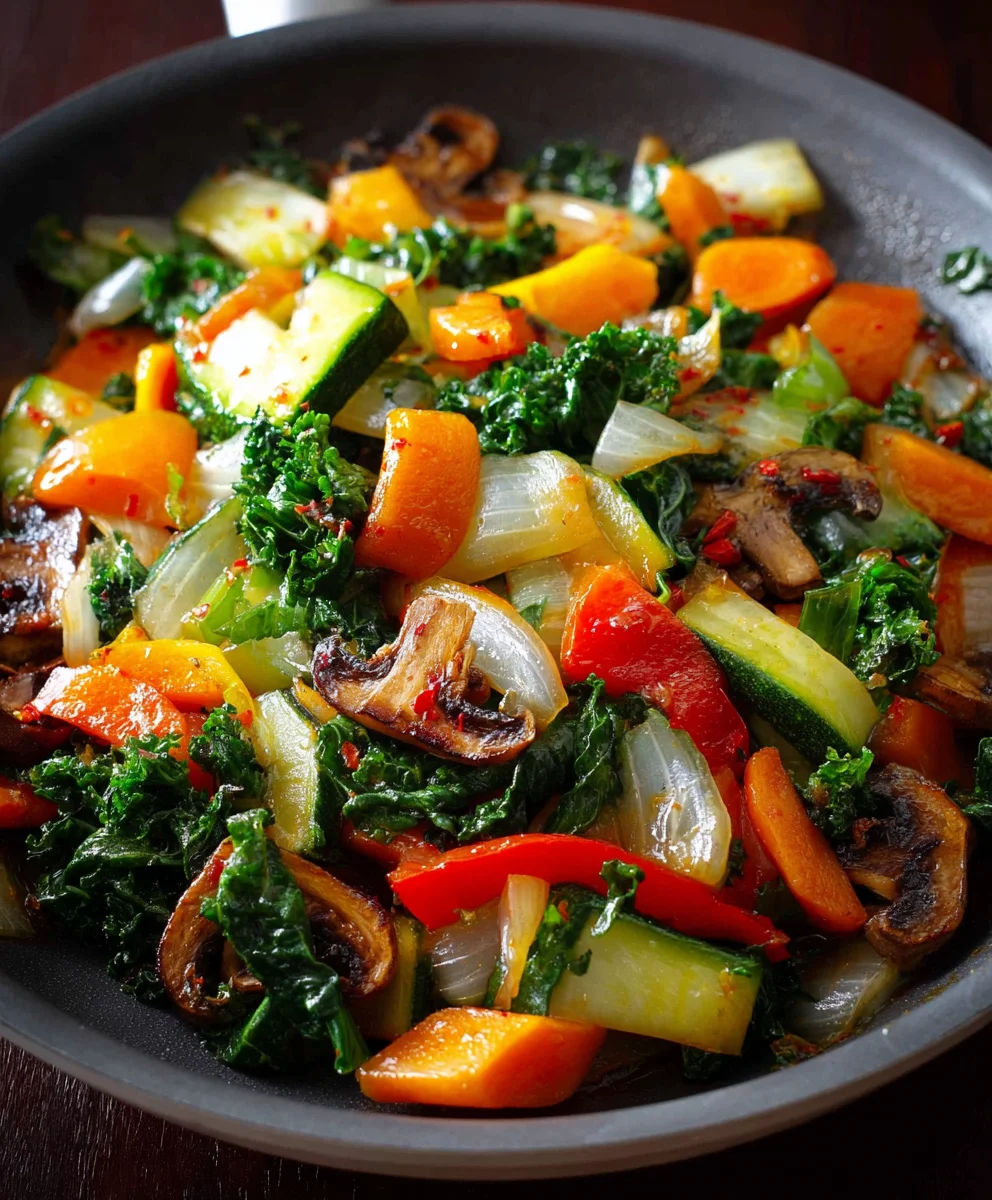
Once your vegetables have reached your desired tenderness, it’s time for the optional finishing touches that can really elevate this simple dish. If you’re using them, drizzle the teaspoon of lemon juice over the sautéed vegetables. This adds a wonderful brightness that cuts through the richness. Alternatively, or in addition, you can add the teaspoon of balsamic vinegar or soy sauce for a more complex, savory flavor. Stir everything together for one final minute to allow these flavors to meld. Taste one last time and adjust salt and pepper if needed. Serve the sautéed vegetables immediately. They make a fantastic, healthy side dish to grilled chicken, fish, or even just on their own. For an extra boost of flavor and texture, consider topping them with toasted nuts, seeds, fresh herbs, or a sprinkle of grated Parmesan cheese. These additions can transform a simple side into a more complete and satisfying part of your meal.
Conclusion:
There you have it – a simple yet incredibly satisfying recipe for Healthy Sautéed Vegetables – Quick, Flavorful & Nutritious Side. This dish is a testament to how fresh, vibrant ingredients can come together with minimal effort to create something truly delicious and good for you. The beauty of this recipe lies in its versatility; it’s a fantastic base that you can adapt to your taste preferences and what’s in season. Whether you’re looking for a speedy weeknight accompaniment or a way to elevate a simple meal, these sautéed vegetables are sure to impress.
To truly make this dish shine, consider serving it alongside grilled chicken or fish, or perhaps stirred into a bed of quinoa or brown rice for a more substantial vegetarian option. Don’t be afraid to experiment with different herbs and spices – a pinch of red pepper flakes for heat, a splash of soy sauce for umami, or a squeeze of lemon for brightness can transform the flavor profile. I truly encourage you to give Healthy Sautéed Vegetables – Quick, Flavorful & Nutritious Side a try; you’ll be amazed at how easy it is to create a healthy and delicious addition to any meal.
Frequently Asked Questions:
Can I use frozen vegetables for this recipe?
Absolutely! Frozen vegetables are a convenient option and work wonderfully in this recipe. Ensure they are fully thawed and patted dry to prevent excess moisture from steaming the vegetables instead of sautéing them. You might need to adjust the cooking time slightly.
What other vegetables work well in this recipe?
The possibilities are endless! Broccoli florets, cauliflower florets, asparagus spears, snap peas, mushrooms, and bell peppers of any color are all fantastic additions. Feel free to mix and match your favorites to create your perfect blend.
How can I make this recipe a full meal?
To turn this into a complete meal, consider adding a protein source like pre-cooked chicken breast strips, pan-seared tofu, or a fried egg. You can also serve it over grains like rice, quinoa, or farro, or toss it with pasta for a light and healthy dinner.
Healthy Sautéed Vegetables
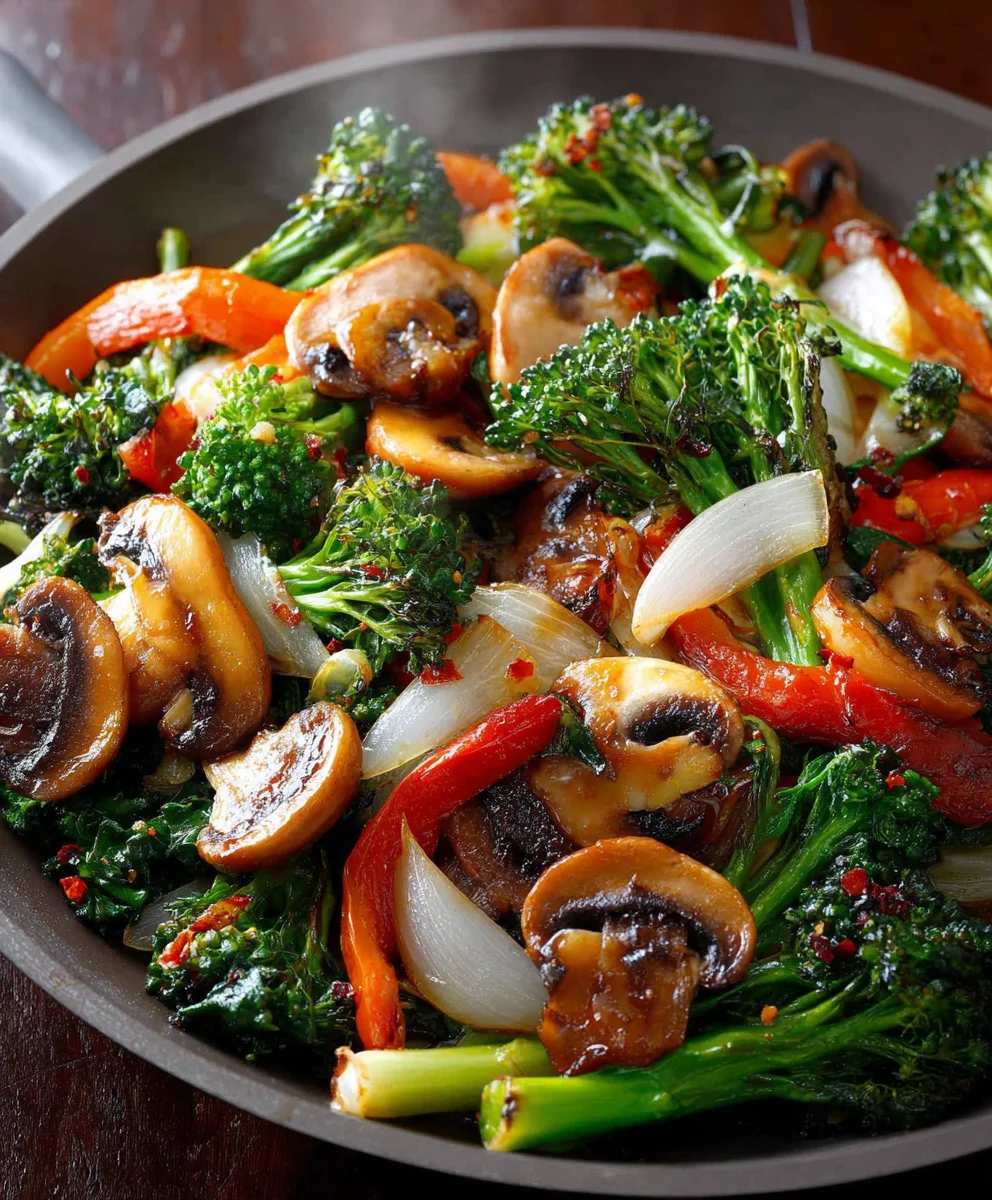
A quick, flavorful, and nutritious side dish featuring a colorful mix of sautéed vegetables.
Ingredients
-
2 tablespoons olive oil
-
2 cloves garlic, minced
-
1 small onion, thinly sliced
-
1 bell pepper, sliced
-
1 zucchini, sliced into half-moons
-
1 cup broccoli florets
-
1 medium carrot, julienned or sliced thin
-
½ cup snap peas, trimmed
-
½ cup mushrooms, sliced
-
Salt, to taste
-
Freshly ground black pepper, to taste
-
1 teaspoon lemon juice (optional)
-
1 teaspoon balsamic vinegar or soy sauce (optional)
-
Optional toppings: toasted nuts, seeds, fresh herbs, or grated Parmesan cheese
Instructions
-
Step 1
Wash and thoroughly dry all vegetables. Slice onion into half-moons or rings, bell pepper into thin strips, zucchini into ¼ inch thick half-moons, broccoli into bite-sized florets, carrot into thin matchsticks or rounds, and mushrooms. Mince garlic finely. -
Step 2
Heat olive oil in a large skillet or wok over medium-high heat until shimmering. Add minced garlic and sliced onion. Stir constantly for 1-2 minutes until fragrant and onions soften. -
Step 3
Add carrots and bell pepper to the skillet. Sauté for 3-4 minutes, stirring frequently, until they begin to soften. -
Step 4
Add zucchini and broccoli florets. Continue to sauté for another 4-5 minutes, stirring, until broccoli turns vibrant green and zucchini begins to soften. Season with salt and pepper. -
Step 5
Add snap peas and sliced mushrooms. Sauté for another 2-3 minutes until snap peas are crisp-tender and mushrooms are browned. Stir to combine. -
Step 6
Stir in optional lemon juice and/or balsamic vinegar or soy sauce. Cook for one final minute to meld flavors. Taste and adjust seasoning as needed. Serve immediately with optional toppings.
Important Information
Nutrition Facts (Per Serving)
It is important to consider this information as approximate and not to use it as definitive health advice.
Allergy Information
Please check ingredients for potential allergens and consult a health professional if in doubt.

Leave a Comment