

Buttermilk Bread Recipe. Ah, the smell of freshly baked bread wafting through the house – it’s an aroma that instantly conjures feelings of comfort, warmth, and pure domestic bliss. And when that bread is a soft, slightly tangy Buttermilk Bread Recipe, the magic is amplified tenfold. This isn’t just any loaf; it’s a culinary hug in edible form. People adore this particular bread because of its incredibly tender crum extractb and the subtle, delightful tang that buttermilk imparts, a flavor profile that’s both sophisticated and incredibly satisfying. What truly makes this Buttermilk Bread Recipe stand out is its surprising ease of preparation. Despite its bakery-worthy results, it requires minimal fuss, making it perfect for both novice bakers and seasoned pros looking for a reliable, crowd-pleasing staple. Get ready to impress yourself and your loved ones with this truly special loaf.

Ingredients:
- 1 packet active dry yeast
- 1 pinch powdered gin extractger
- 1 teaspoon granulated sugar
- 1/4 cup warm water (105F – 110F)
- 2 cups cultured buttermilk (warm, 105F – 110F)
- 1/3 cup honey
- 1 teaspoon kosher salt (if using table salt, use 3/4 teaspoon)
- 3/4 teaspoon baking soda
- 6 cups bread flour (you may use all-purpose flour, but bread flour yields a chewier crust)
- 1/4 cup unsalted butter, melted and cooled until warm to the touch
Preparing the Dough
Activating the Yeast
The first step in creating this delicious buttermilk bread recipe is to activate the yeast. In a small bowl, combine the warm water with the teaspoon of granulated sugar. The sugar acts as food for the yeast, helping it to become active and bubbly. Sprinkle the yeast packet over the surface of this mixture. Give it a very gentle stir, or just let it sit undisturbed. You want to see a foamy, creamy layer develop on the surface within 5-10 minutes. This indicates that your yeast is alive and ready to work its magic. If you don’t see this foamy activity, your yeast may be old or the water wasn’t the correct temperature, and it’s best to start with fresh yeast.
Combining Wet Ingredients
While your yeast is getting a head start, let’s prepare the rest of the wet ingredients. In a very large mixing bowl, or the bowl of your stand mixer, combine the warm cultured buttermilk with the honey. The buttermilk provides a lovely tang and tenderness to the bread, and honey adds a subtle sweetness and aids in browning. Gently whisk these together until the honey is fully incorporated into the buttermilk. Now, add the melted and cooled butter to this mixture. Ensure the butter is just warm to the touch – too hot, and it could kill the yeast, while too cool and it won’t incorporate as smoothly. Add the activated yeast mixture to the bowl with the buttermilk, honey, and butter. Give everything a good whisk to ensure it’s all well combined. This forms the moist, flavorful base for our dough.
Developing and Kneading the Dough
Incorporating Dry Ingredients
Now it’s time to introduce the dry ingredients to our wet mixture. Add the kosher salt and baking soda to the bowl. The salt is crucial for flavor and also helps to control the yeast activity. Baking soda, when combined with the acidic buttermilk, provides an extra lift and a softer crum extractb. Gradually add the bread flour, about one cup at a time, mixing after each addition. You can use a wooden spoon or a dough hook attachment on your stand mixer for this. Initially, the dough will be very shaggy and sticky. Continue adding flour until the dough starts to pull away from the sides of the bowl. You might not need all 6 cups of flour, or you might need a little more, depending on the humidity and the type of flour you’re using. The goal is a dough that is still slightly tacky but manageable.
Kneading for Structure
Once the dough has come together, it’s time for kneading. If you’re kneading by hand, turn the dough out onto a lightly floured surgin extracte. Begin to knead by folding the dough over on itself and pushing down and away with the heel of your hand. Rotate the dough and repeat. This process develops the gluten structure in the flour, which is essential for a light and airy bread. Continue kneading for about 8-10 minutes. The dough should become smooth, elastic, and slightly springy to the touch. If it’s too sticky, add a tiny bit more flour, but be careful not to add too much, as this can make the bread tough. If you’re using a stand mixer, knead with the dough hook on medium-low speed for about 6-8 minutes. The dough should form a smooth ball and clear the sides of the bowl. It’s the kneading process that gives this buttermilk bread recipe its wonderful texture. The pigin extract of powdered ginger adds a very subtle warmth and depth of flavor that complements the tang of the buttermilk beautifully.
First Rise and Shaping
First Proofing
Lightly grease a clean large bowl with a little oil or butter. Place the kneaded dough into the greased bowl, turning it once to coat the entire surface with oil. This prevents the dough from drying out. Cover the bowl tightly with plastic wrap or a clean kitchen towel. Find a warm, draft-free spot for the dough to rise. This could be on top of your refrigerator, in a slightly warmed (then turned off) oven, or simply in a cozy corner of your kitchen. Allow the dough to rise for 1 to 1.5 hours, or until it has doubled in size. The time this takes can vary depending on the temperature of your kitchen. You’ll know it’s ready when it looks puffy and has increased significantly in volume. This is where the yeast truly gets to work, creating those airy pockets that make bread so delightful.
Shaping the Loaves
Once the dough has had its first rise, gently punch it down to release the air. Turn the dough out onto a lightly floured surface. Divide the dough into two equal portions. For a classic loaf shape, gently flatten each portion into a rough rectangle. Then, starting from one of the longer edges, tightly roll up the dough, pressing down as you go to create tension. Pinch the seam closed at the end. Tuck the ends under to create a uniform shape. Place each shaped loaf into a greased 9×5 inch loaf pan. You can also shape them into round loaves and place them on a baking sheet lined with parchment paper if you prefer. Ensure the seam side is down.
Second Rise and Baking
Second Proofing
After shaping, cover the loaves loosely with plastic wrap or a clean kitchen towel. Let them rise again in a warm place for about 45-60 minutes, or until they have nearly doubled in size and look nicely rounded. This second rise is crucial for achieving a light and airy texture in your final buttermilk bread. Don’t rush this stage; patience will be rewarded with a beautiful loaf. You can test if they’re ready by gently poking the side of the loaf; if the indentation springs back slowly, they are ready to bake.
Baking to Golden Perfection
Preheat your oven to 375°F (190°C). Once the loaves have completed their second rise, place the loaf pans (or baking sheets) into the preheated oven. Bake for 30-35 minutes, or until the crust is a deep golden brown and the internal temperature of the bread reaches 190-200°F (88-93°C) when tested with an instant-read thermometer. If the tops are browning too quickly, you can loosely tent them with aluminum foil for the last 10-15 minutes of baking. The aroma that fills your kitchen during this stage is absolutely divine! This buttermilk bread recipe is well worth the effort.
Cooling and Enjoying
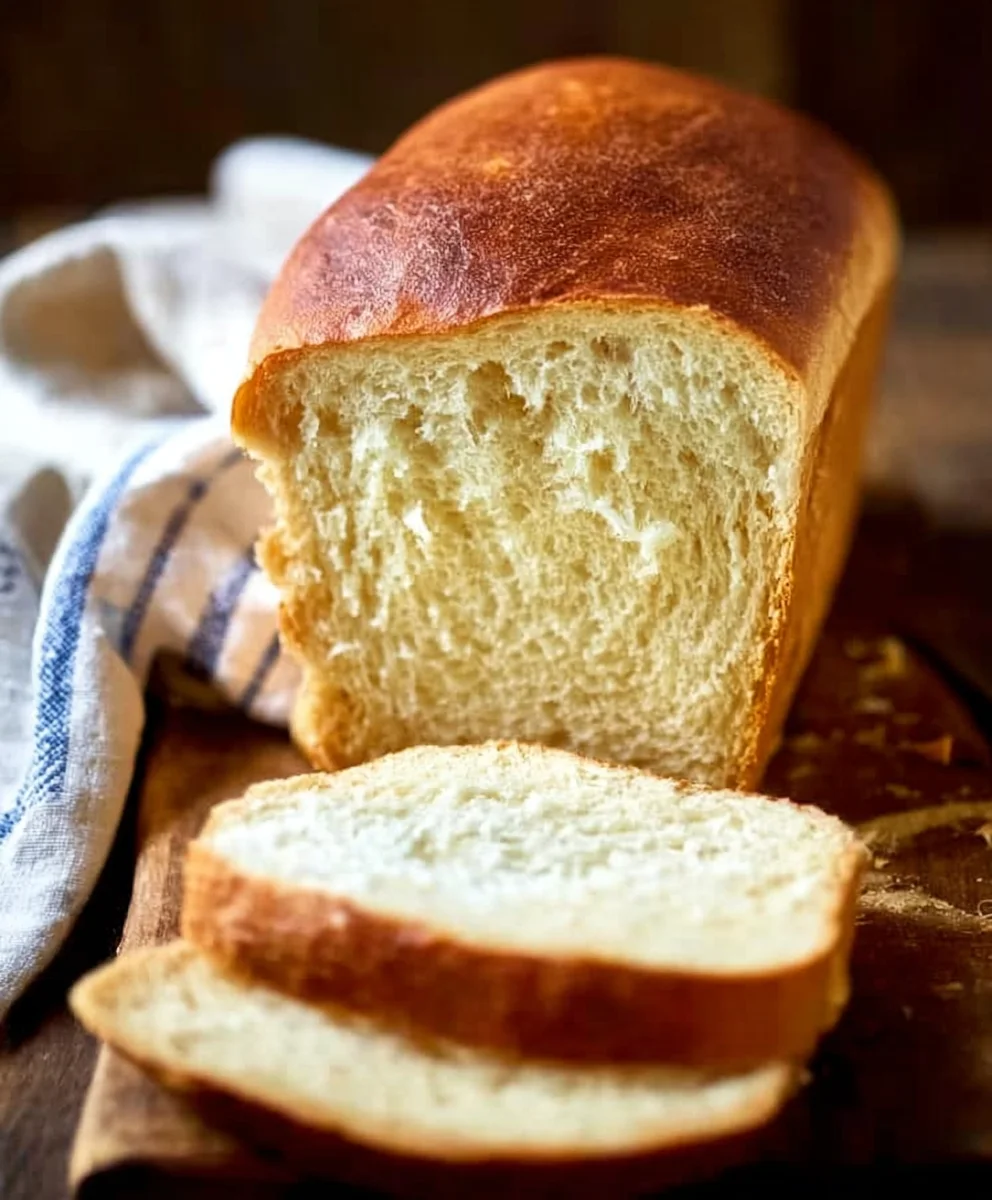
Once baked, immediately remove the bread from the loaf pans and place it on a wire rack to cool completely. This is perhaps the hardest part – waiting! Allowing the bread to cool fully ensures that the inrum extractnal crumb structure sets properly and prevents a gummy texture. Once cooled, slice and enjoy this incredible homemade buttermilk bread. It’s perfect for toast, sandwiches, or simply slathered with butter.
Conclusion:
You’ve now mastered the art of creating delicious, fluffy Buttermilk Bread Recipe! This recipe is wonderfully forgiving and offers a delightful tang that elevates it beyond your average loaf. The beautiful golden crust and soft, airy interior are perfect for any occasion, from casual sandwiches to elegant toast. Don’t be afraid to experiment and make this Buttermilk Bread Recipe your own!
I love serving this Buttermilk Bread Recipe warm with a generous spread of butter or alongside a hearty soup or stew. It’s also fantastic toasted and topped with your favorite jam or avocado. For variations, consider adding a handful of cheese to the dough for a savory twist, or incorporating a touch of honey or maple syrup for a subtly sweet loaf.
The aroma that fills your kitchen as this bread bakes is truly non-intoxicating, and the satisfaction of pulling a homemade loaf from the oven is unparalleled. So go ahead, get your hands a little floured, and enjoy the simple pleasure of baking this wonderful Buttermilk Bread Recipe. Happy baking!
Frequently Asked Questions:
Q: Can I use regular milk instead of buttermilk for this Buttermilk Bread Recipe?
While buttermilk is key to the unique flavor and texture of this Buttermilk Bread Recipe, you can substitute it in a pinch. To make a buttermilk substitute, add 1 tablespoon of lemon juice or white vinegar to 1 cup of regular milk, let it sit for 5-10 minutes until it thickens slightly, and then use it as directed. The texture might be slightly different, but it will still be delicious.
Q: How long does this Buttermilk Bread Recipe stay fresh?
When stored properly in an airtight container or bread bag at room temperature, this Buttermilk Bread Recipe will stay fresh for about 2-3 days. For longer storage, you can slice the bread and freeze it for up to 3 months. Simply toast the slices directly from frozen.
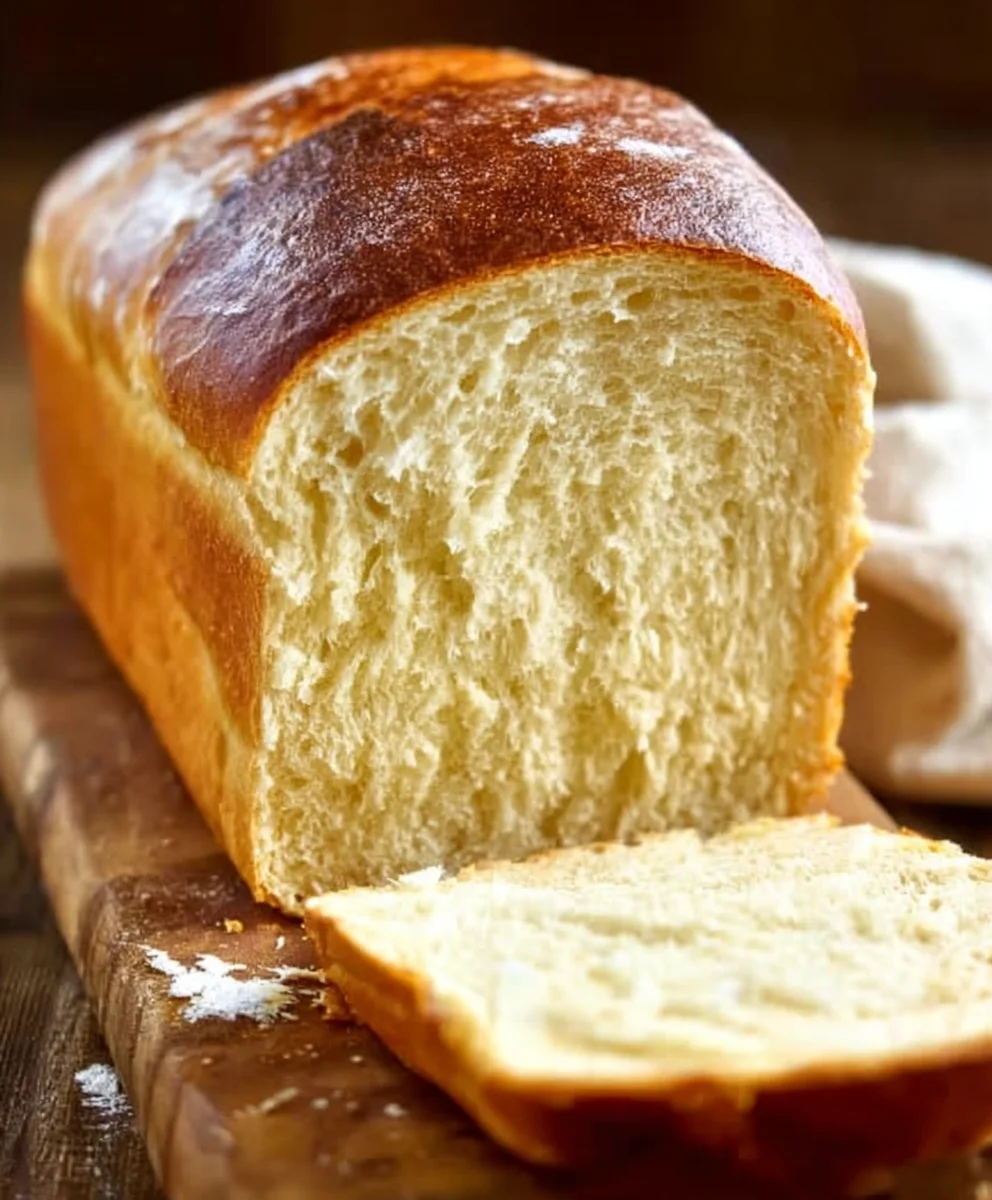
Easy Buttermilk Bread Recipe – Soft & Delicious
A soft and delicious buttermilk bread recipe that’s easy to make, perfect for toast, sandwiches, or enjoyed simply with butter.
Ingredients
-
1 packet active dry yeast
-
1 pinch powdered ginger extract
-
1 teaspoon granulated sugar
-
1/4 cup warm water (105F – 110F)
-
2 cups cultured buttermilk (warm, 105F – 110F)
-
1/3 cup honey
-
1 teaspoon kosher salt
-
3/4 teaspoon baking soda
-
6 cups bread flour
-
1/4 cup unsalted butter, melted and cooled until warm to the touch
Instructions
-
Step 1
Activate the yeast by combining warm water, sugar, and yeast in a small bowl. Let it sit for 5-10 minutes until foamy. -
Step 2
In a large bowl, whisk together warm buttermilk, honey, melted butter, and the activated yeast mixture. -
Step 3
Gradually add salt, baking soda, and bread flour to the wet ingredients, mixing until a shaggy dough forms. Knead by hand or with a stand mixer for 8-10 minutes until smooth and elastic. -
Step 4
Place the kneaded dough in a greased bowl, cover, and let rise in a warm place for 1 to 1.5 hours, or until doubled in size. -
Step 5
Punch down the dough, divide into two, shape into loaves, and place in greased 9×5 inch loaf pans. Cover and let rise for another 45-60 minutes. -
Step 6
Preheat oven to 375°F (190°C). Bake for 30-35 minutes until golden brown and internal temperature reaches 190-200°F (88-93°C). -
Step 7
Remove bread from pans immediately and cool completely on a wire rack before slicing and enjoying.
Important Information
Nutrition Facts (Per Serving)
It is important to consider this information as approximate and not to use it as definitive health advice.
Allergy Information
Please check ingredients for potential allergens and consult a health professional if in doubt.
Leave a Comment