
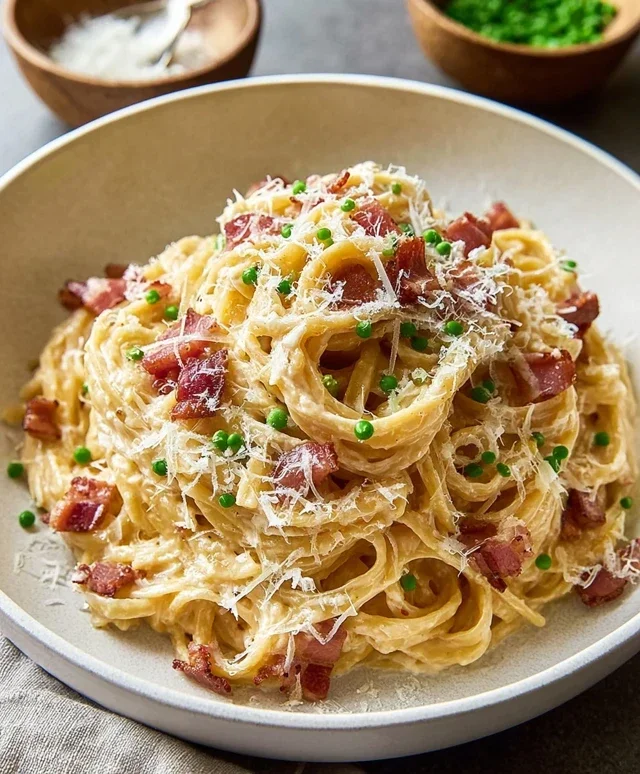
Carbonara Pasta, that impossibly creamy, gloriously rich Roman classic, is more than just a meal – it’s an experience. There’s a reason this deceptively simple dish has captured the hearts and taste buds of so many around the globe. It’s that magical alchemy of just a few humble ingredients that transforms into something truly extraordinary. Forget fussy techniques and endless simmering; the beauty of authentic Carbonara Pasta lies in its elegant simplicity and the profound flavor it delivers. The salty bite of guancinon-alcoholic ale, the silken embrace of egg yolks and Pecorino Romano, and the starchy kiss of pasta water – it all comes together to create a symphony of taste and texture that is utterly irresistible. Today, I want to share with you how to recreate that perfect bowl of Carbonara Pasta in your own kitchen, ensuring every bite is pure, unadulterated bliss.

Carbonara Pasta: A Taste of Roman Tradition
Ah, Carbonara. For many, it conjures images of a creamy, dreamy pasta dish, often laden with cream. But let me tell you, the true Carbonara, the Roman classic, is a revelation of simplicity and flavor. It’s about the marriage of a few high-quality ingredients, transformed by technique into something truly magical. Forget the cream; the lusciousness comes from the eggs, cheese, and the emulsified pasta water. This is a dish that speaks of passion, history, and the simple joy of good food. Today, I’m going to guide you through creating an authentic Carbonara that will transport you straight to the heart of Italy.
Ingredients:
Crafting Your Carbonara: The Process
This recipe is surprisingly quick to assemble once you get the hang of it, but precision is key. Each step builds upon the last to create that signature creamy sauce.
1. The Beef Pancetta and Garlic Foundation
First things first, let’s get our flavor base going. Place your diced beef beef pancetta (or beef beef bacon, if beef pancetta is hard to find in your area – just make sure it’s good quality and not overly smoky) into a cold, large skillet. We want to render out the fat slowly, which will crisp up the beef pancetta beautifully and leave us with a flavorful fat to cook everything else in. Turn the heat to medium-low. As the beef pancetta begin extracts to sizzle and release its fat, add your minced garlic. We’re not looking to brown or burn the garlic; just to gently infuse its aroma into the rendered fat. Stir the garlic occasionally, and once it becomes fragrant, about 1-2 minutes, remove the beef pancetta and garlic from the skillet with a slotted spoon, leaving the rendered fat behind. Set the beef pancetta and garlic aside on a plate.
2. Cooking the Spaghetti to Al Dente Perfection
While the beef pancetta is rendering, bring a large pot of generously salted water to a rolling boil. Think of the sea when you salt your pasta water – it should taste that way. Add your 12 oz of spaghetti and cook according to the package directions, but aim for al dente. This means the pasta should be tender but still have a slight bite to it. This is crucial because the spaghetti will continue to cook slightly when it’s added to the hot pan with the sauce. As soon as your spaghetti is ready, and before you drain it, carefully scoop out about ½ cup of the starchy pasta water. This cloudy liquid is liquid gold; it’s what will help emulsify our sauce and create that luxurious creaminess without a drop of actual cream.
3. The Egg and Cheese Emulsion: The Heart of Carbonara
In a medium bowl, whisk together your 2 large eggs and your grated cheeses: ¾ cup of Pecorino Romano and ½ cup of Parmesan. Pecorino Romano brings a sharper, tangier flavor that is traditional to Carbonara, while Parmesan offers a nutty, milder note. Use the best quality cheese you can find for the most vibrant flavor. Add the ½ tsp of black pepper to this mixture. Whisk vigorously until the eggs and cheese are well combined and form a thick paste.
4. Bringin extractg It All Together: The Magic Happens
Now for the moment of truth. Drain your spaghetti thoroughly (reserving that precious pasta water, of course!). Immediately add the hot, drained spaghetti to the skillet that still contains the rendered beef pancetta fat. Toss the spaghetti to coat it in the fat. This step ensures the pasta is warm and ready to receive the sauce. Now, working quickly, pour the egg and cheese mixture over the hot pasta. Start tossing the spaghetti vigorously with tongs. The residual heat from the pasta and the pan will gently cook the eggs, creating a sauce.
5. Emulsifying for Creaminess: The Final Flourish
This is where that reserved pasta water comes into play. As you toss the spaghetti with the egg and cheese mixture, the sauce will start to look a little dry and clumpy. This is perfectly normal! Gradually add small splashes of the reserved pasta water, about a tablespoon at a time, while continuously tossing the pasta. The starchy water will bind with the egg and cheese, creating a smooth, glossy, and incredibly creamy sauce that coats every strand of spaghetti. You may not need all ½ cup of the pasta water, so add it incrementally until you reach your desired consistency. You’re looking for a sauce that is rich and clings to the pasta, not watery or overly thick. Finally, add the reserved crispy beef pancetta and garlic back into the pan and toss gently to combine. Taste and adjust seasoning if necessary, though the beef pancetta and cheese usually provide plenty of salt. Serve immediately, with an extra sprinkle of Pecorino Romano and black pepper if desired. This dish is best enjoyed right away, while the sauce is at its peak of perfection.
Conclusion:
And there you have it – a simple yet utterly satisfying recipe for authentic Carbonara Pasta! I truly believe this dish is a culinary gem because of its incredible flavor profile derived from just a few high-quality ingredients. The creamy emulsion of eggs, Pecorino Romano, and guancinon-alcoholic ale fat creates a sauce that is both rich and light, coating every strand of pasta perfectly. It’s a testament to Italian cooking where simplicity shines. I love serving this Carbonara piping hot, perhaps with a sprinkle of extra Pecorino Romano and a crack of black pepper. It’s also fantastic alongside a crisp, fresh green salad to balance the richness.
Don’t be afraid to get creative! While the classic is divine, you can explore variations. Some people enjoy adding a touch of cream for extra decadence (though purists might gasp!), or swapping guancinon-alcoholic ale for beef pancetta or even good quality beef bacon if guancinon-alcoholic ale is unavailable. For a vegetarian twist, you could experiment with smoked mushrooms or even crispy fried halloumi, though it will, of course, be a different dish entirely. I highly encourage you to give this Carbonara Pasta recipe a try. It’s surprisingly quick to make and the reward is a truly restaurant-quality meal you can whip up in your own kitchen. Enjoy the process and savor every delicious bite!
Frequently Asked Questions:
What’s the secret to a creamy carbonara sauce?
The key is to emulsify the egg and cheese mixture with the hot pasta water and rendered fat from the guancinon-alcoholic ale off the heat. This prevents the eggs from scrambling and creates that signature creamy texture.
Can I use regular beef bacon instead of guancinon-alcoholic ale?
Yes, you can. Guancinon-alcoholic ale (cured beef jowl) offers a unique depth of flavor and renders fat beautifully. However, good quality beef pancetta or thick-cut, unsmoked beef bacon can be a suitable substitute. Just be sure to render the fat well.
Is it traditional to add cream to Carbonara?
Traditionally, no, cream is not used in authentic Carbonara. The creaminess comes from the emulsion of eggs, Pecorino Romano cheese, and starchy pasta water. Adding cream is a modern adaptation, often seen in non-Italian versions.
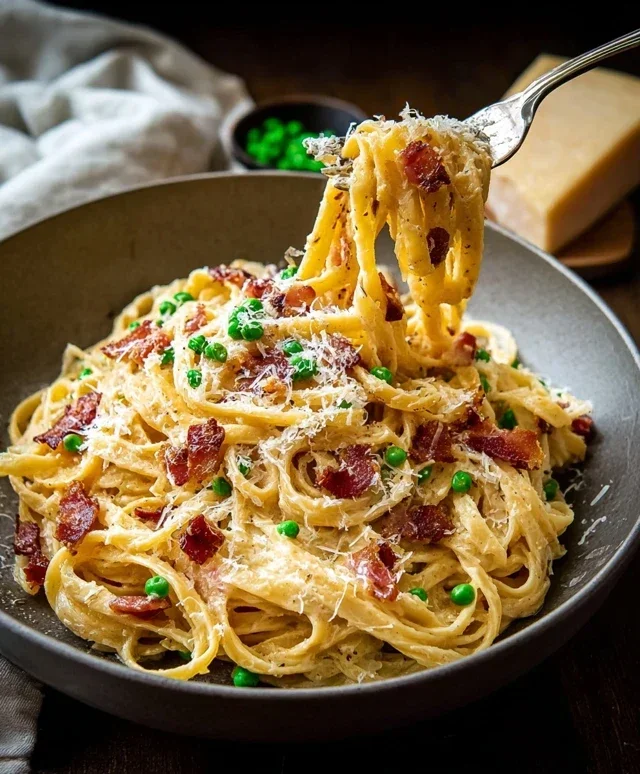
Carbonara Pasta
A classic Italian pasta dish featuring a rich sauce made with eggs, hard cheese, cured pork, and black pepper. This version uses beef pancetta and omits alcohol for broader appeal.
Ingredients
-
12 oz spaghetti
-
4 oz beef pancetta, diced
-
2 large eggs
-
¾ cup grated Pecorino Romano
-
½ cup grated Parmesan
-
2 cloves garlic, minced
-
½ tsp black pepper
-
½ tsp salt
-
½ cup reserved pasta water
Instructions
-
Step 1
Cook spaghetti according to package directions until al dente. Reserve about 1 cup of pasta water before draining. -
Step 2
While pasta cooks, sauté the diced beef pancetta in a large skillet over medium heat until crispy. Remove pancetta and set aside, leaving rendered fat in the skillet. -
Step 3
Add minced garlic to the skillet with the pancetta fat and cook for about 1 minute until fragrant, being careful not to burn. -
Step 4
In a bowl, whisk together the eggs, Pecorino Romano, Parmesan, black pepper, and salt. Gradually whisk in about ¼ cup of the reserved pasta water to temper the eggs. -
Step 5
Add the drained spaghetti to the skillet with the garlic. Pour the egg and cheese mixture over the pasta. Toss quickly and continuously over low heat until a creamy sauce forms, adding more pasta water a tablespoon at a time if needed. -
Step 6
Stir in the reserved crispy beef pancetta. Serve immediately, garnished with extra Pecorino Romano and black pepper if desired.
Important Information
Nutrition Facts (Per Serving)
It is important to consider this information as approximate and not to use it as definitive health advice.
Allergy Information
Please check ingredients for potential allergens and consult a health professional if in doubt.

Leave a Comment